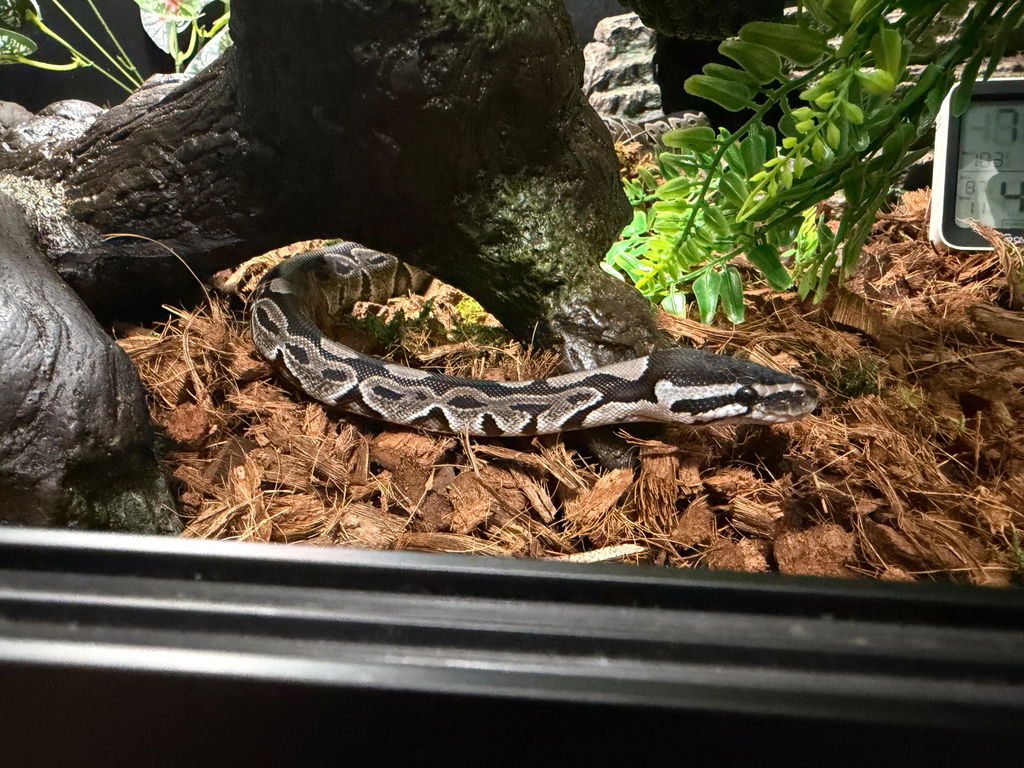
The Real Cost of Owning a Ball Python
The purchase price of a ball python is only part of the investment. Before you buy, it's worth understanding the full setup cost, so there are no surprises after your snake arrives. Below, we break down what a proper ball python setup actually costs, from a one-time enclosure investment to the ongoing expenses you'll carry for the life of the animal.
The Snake Itself
Ball python prices vary enormously based on morph. Normal (wild-type) and common single-gene morphs like pastels or fires are typically the most affordable entry point. Popular combo morphs land in a mid-range, and rare or complex multi-gene combinations can run into the thousands. Budget primarily determines which morphs are realistic for you, not whether ball python ownership itself is affordable, since there's genuine variety across every price point.
Enclosure
This is usually the largest one-time expense. A properly sized enclosure for an adult ball python, generally in the 36 by 18 inch range or larger, with secure locking doors, represents a meaningful investment whether you buy a PVC rack-style enclosure or a front-opening terrarium. Hatchlings can start in smaller tubs or bins, which lowers upfront cost, but keep in mind you'll likely need to upgrade the enclosure at least once as the snake grows toward adult size.
Heating and Temperature Control
Ball pythons need a stable thermal gradient, which means a heat source, typically an under-tank heater or radiant heat panel, paired with a thermostat to prevent overheating. A thermostat isn't optional here, an uncontrolled heat source is a genuine fire and burn risk, and this is one area where cutting corners isn't worth the savings. Budget for a quality thermostat alongside your heat source from day one.
Humidity and Substrate
Maintaining 60 to 80 percent humidity requires the right substrate, options include coconut fiber, cypress mulch, or aspen depending on your setup style, plus a reliable hygrometer to actually measure humidity rather than guess at it. Substrate is an ongoing cost since it needs periodic replacement, but it's a modest recurring expense compared to the initial enclosure and heating investment.
Hides, Water Dish, and Enrichment
Every ball python needs at least two hides, one on the warm side and one on the cool side, so it can thermoregulate without sacrificing security. A water dish large enough for soaking rounds out the essential furniture. These items are relatively inexpensive individually but add up as part of a complete setup, and skimping here can genuinely affect your snake's stress levels and shedding quality.
Feeding Costs
Ongoing feeding is one of the more predictable recurring costs of ball python ownership. Adult ball pythons typically eat every 1 to 2 weeks, with appropriately sized frozen-thawed rats. Feeder costs vary based on rat size and where you source them, but this is a manageable, budgetable monthly expense rather than a major financial burden, especially compared to the feeding costs of larger constrictor species.
Veterinary Care
Many ball python owners go years without a vet visit if the animal stays healthy, but budgeting for the possibility of an exotic-vet visit is responsible planning. Not every general veterinarian treats reptiles, so it's worth identifying an exotics-experienced vet in your area before you need one, rather than scrambling during an actual health issue.
One-Time vs. Ongoing: A Realistic Breakdown
Roughly speaking, your largest expenses (enclosure, heating equipment, thermostat, initial furniture) are front-loaded into the first purchase, while feeding, substrate replacement, and occasional supply replacement make up the ongoing monthly cost. Once the initial setup is complete, ball pythons are genuinely one of the more affordable reptile pets to maintain long-term, especially compared to species with specialized lighting or larger feeding requirements.
Common Budgeting Mistakes
The most common mistake we see is buying the snake first and figuring out the enclosure afterward, which often leads to rushed, undersized, or improperly heated setups. The second is underestimating the cost of proper thermostat-controlled heating and trying to get by with an uncontrolled heat source, which is a genuine safety risk. The third is not budgeting for enclosure upgrades as a hatchling grows into an adult, which can mean paying for housing twice instead of once.
Rack Systems vs. Individual Enclosures
If you're planning to keep more than one ball python, or you simply prefer a space-efficient setup, a rack system is worth considering as an alternative to a single stand-alone enclosure. PVC rack systems house multiple animals in individual drawers within one climate-controlled unit, which can actually reduce your per-animal heating cost compared to running separate heat sources for multiple standalone enclosures. This is more of a consideration for keepers planning to expand their collection than for someone buying a single pet snake, but it's worth knowing the option exists as your interest in the hobby grows. Rack Theory builds American-made PVC rack systems if you get to that stage.
Where to Save and Where Not to Skimp
Not every part of a ball python setup deserves equal budget priority. Thermostats and heat sources are not the place to cut corners, an uncontrolled heat source risks your snake's life and your home's safety. Substrate and decor, on the other hand, can reasonably start basic and be upgraded over time as your budget allows. Enclosure size is worth getting right the first time if you can, since undersized housing for a growing snake often means paying for an upgrade sooner than you'd like.
Estimating Your First-Year Total
Adding together a modest enclosure, thermostat-controlled heating, substrate, hides, a water dish, and a full year of feeding, most new owners land in a moderate total for the first year, with costs dropping in subsequent years once the one-time enclosure and equipment investment is behind them. This makes ball pythons one of the more predictable long-term pets to budget for, since year-two costs are almost entirely feeding and minor supply replacement.
We always recommend having your complete enclosure set up and holding stable temperature and humidity for several days before your ball python ships. This avoids the stress of setting up under time pressure once a live animal is already in transit, and it lets you catch any equipment issues before they affect your snake.
Questions to Ask Before You Buy
Before purchasing, it's worth asking yourself a few honest questions: Do I have room for the enclosure size this snake will eventually need as an adult? Have I budgeted for a thermostat rather than an uncontrolled heat source? Do I have a plan for sourcing feeder rodents consistently? Answering these before you buy, rather than after your snake arrives, is the difference between a smooth setup and a stressful scramble.
Ready to Budget for Your Ball Python?
Once your setup is ready, browse our current selection of ball pythons for sale online. We're happy to answer questions about what specific setup will work best for the morph and size snake you're considering, and every animal ships with a live arrival guarantee.