What Health Actually Looks Like in a Ball Python
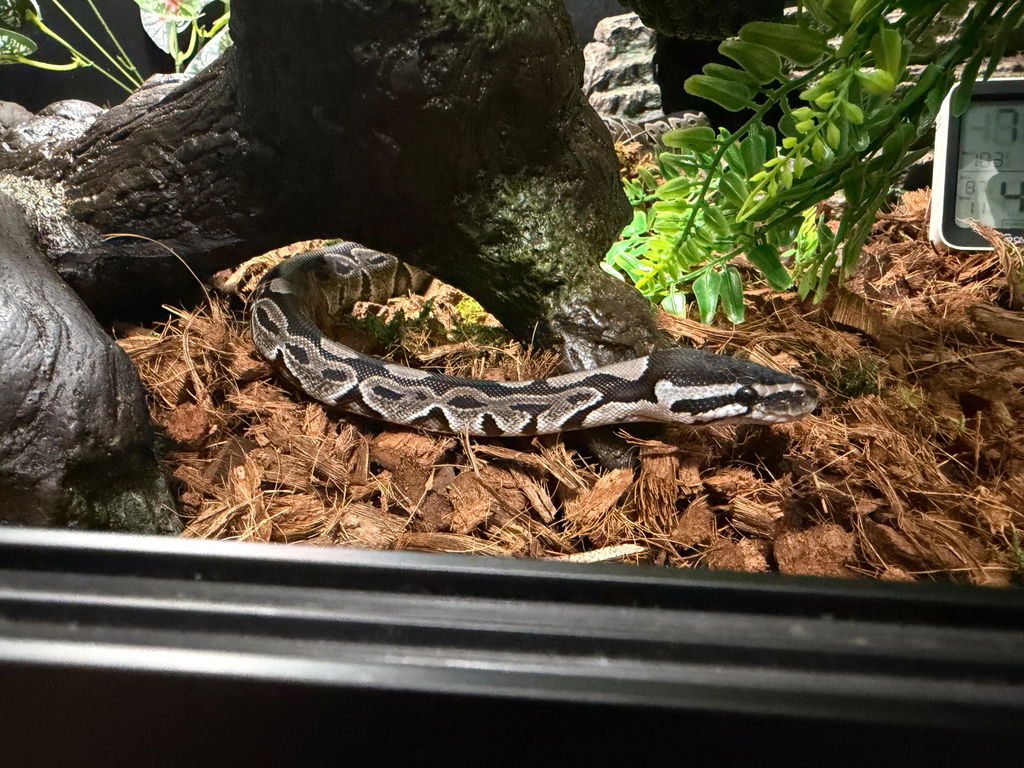
Whether you're buying your first ball python or your tenth, knowing what a healthy animal actually looks like protects you from an unexpected vet bill and a stressful start to ownership. This guide covers the specific physical and behavioral signs worth checking before you commit to a purchase, whether you're buying in person or evaluating photos and information from an online breeder.
Eyes
Healthy eyes should be clear and alert, not cloudy or sunken, except during a normal pre-shed cycle when a temporary blue-gray cloudiness is expected and resolves after shedding. Persistent cloudiness outside of a shed cycle, or visibly retained eye caps from a previous incomplete shed, are worth asking about directly.
Body Condition
A healthy ball python should have a rounded, evenly proportioned body without a visibly prominent spine or ribs, which can indicate poor body condition or an inconsistent feeding history. That said, body condition varies naturally by individual, so this is one factor to weigh alongside others, not a single disqualifying test on its own.
Skin and Scales
Look for smooth, intact skin without retained shed patches, unusual lesions, or discoloration outside of normal morph-specific patterning. Old, incomplete sheds still clinging to the tail tip or body can indicate a humidity issue in the animal's prior housing, worth asking about even if it's not necessarily disqualifying on its own.
Vent and Nostrils
The vent should be clean, without crusting or swelling. Nostrils should be clear, without visible discharge or audible wheezing when the snake breathes, which can indicate a respiratory infection. Respiratory issues are one of the more serious health concerns to rule out before purchase, since they can require veterinary treatment.
Body Weight and Feeding History
Ask directly for the animal's current weight if available, and always ask for a specific feeding history, what it last ate and when. A seller who can answer this precisely is demonstrating real knowledge of the individual animal. Vague answers here are one of the clearest warning signs of a seller who doesn't actually know the snake's history well.
Behavior and Alertness
A healthy ball python, even a naturally shy one, should show normal tongue-flicking behavior when exploring and should move with coordinated, deliberate motion rather than appearing lethargic or uncoordinated. Some individual ball pythons are simply calmer or more reluctant to move during observation, which is normal temperament variation, not necessarily a health concern, but a complete lack of responsiveness is worth asking about.
Signs of Mites
Check for small, dark, moving specks around the eyes, chin, and body, particularly near the edges of scales, which can indicate a mite infestation. Mites are treatable but represent an active parasite issue that should be addressed before the animal comes into contact with any other reptiles in your home.
Asking for Photos and Video
If you're buying online rather than in person, ask for current, well-lit photos and ideally a short video showing the snake moving. This lets you evaluate body condition, alertness, and skin quality even without a physical inspection, and a reputable breeder should be glad to provide this.
What a Documented Feeding History Tells You
Beyond confirming the animal eats reliably, a documented feeding history often reveals a lot about overall husbandry quality. A breeder who tracks exact feeding dates and prey sizes for every animal is generally applying that same level of care and attention across their whole operation, not just to the specific snake you're asking about.
Red Flags That Warrant Extra Caution
A few specific signs deserve extra scrutiny before you proceed with a purchase: audible clicking or wheezing when breathing, visible mucus around the mouth or nostrils, an animal that feels unusually light or thin for its apparent size, open wounds or sores, or a seller who can't or won't answer specific questions about the individual animal's history. None of these automatically mean walk away, but they mean ask more questions and get clear answers before committing.
Normal Behaviors That Aren't Health Concerns
It's worth knowing what's normal so you don't mistake typical ball python behavior for a problem. Balling up defensively when approached by an unfamiliar person, temporary cloudy eyes before a shed, reduced appetite during certain seasons, and general shyness or reluctance to move during observation are all within normal range and not signs of poor health on their own.
Why This Matters Even When Buying From a Trusted Breeder
Even when you trust the seller, understanding these signs yourself makes you a more informed owner from day one. You'll be better equipped to notice if something changes after your snake arrives, and you'll have a clearer baseline for what healthy looks like for your specific animal going forward.
A Note on Shedding and Health Evaluation Timing
If you happen to be evaluating a snake during its shed cycle, some of the signs above, cloudy eyes in particular, will look different than they do the rest of the time, and that's expected. A good breeder will tell you upfront if an animal is currently in shed, so you're not misreading a temporary, normal condition as a health issue. If you're unsure, simply ask whether the animal is currently in a shed cycle before evaluating eye clarity or skin appearance.
What We Provide
Every ball python we sell comes with a documented feeding history, current weight, and photos or video on request before you buy. We want you evaluating the actual health of the specific animal you're considering, not taking our word for it on faith.
Ready to Evaluate a Healthy Ball Python?
Browse our current selection of ball pythons for sale online, and don't hesitate to ask us directly about any animal's health details before you buy.