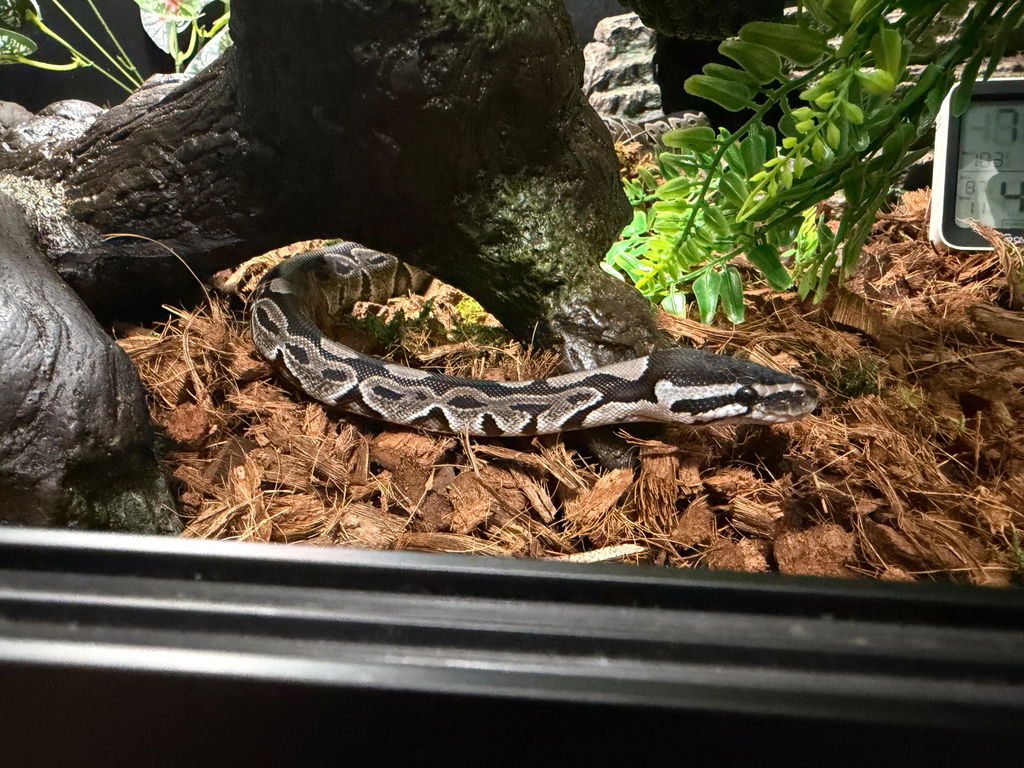
Thinking About More Than One Ball Python?
Many ball python owners start with one snake and later wonder about expanding their collection. Before adding a second, third, or more animals, it's worth thinking through the real space, time, and cost considerations involved, so your collection grows sustainably rather than becoming overwhelming.
Space: The First Real Constraint
Every ball python needs its own individual enclosure, cohabitation isn't recommended for the reasons covered in our other guides. This means your available space directly limits how many animals you can responsibly keep. A single room can comfortably house a meaningful rack system, but think realistically about the footprint of your specific living situation before planning significant expansion.
Time: More Animals Means More Routine Tasks
Each additional ball python adds its own feeding schedule, enclosure maintenance, and periodic health monitoring. While a single snake's care takes relatively little weekly time, that time scales roughly linearly as your collection grows. Ten animals means ten individual feedings to track, ten enclosures to clean, and ten sets of husbandry details to stay on top of.
Cost: Multiplying Beyond the Obvious
Feeding costs scale directly with collection size, more animals simply eat more feeders. Less obviously, larger collections often justify (and require) a rack system investment, since running separate heating for many individual enclosures becomes both expensive and impractical. Veterinary costs, while hopefully rare, also carry more overall risk exposure with more animals in your care.
A Realistic Rule of Thumb
Before adding an animal, ask whether you can comfortably absorb its feeding schedule into your existing routine, whether you have genuine space for a properly sized, secure enclosure without compromising your other animals' housing, and whether your budget comfortably covers the additional ongoing feeding and occasional veterinary cost. If all three are genuinely yes, expansion is likely sustainable.
Signs You're Expanding Too Quickly
Feeding days becoming stressful rather than routine, enclosures set up in a rush without proper testing time, or financial strain from feeder and equipment costs are all signs a collection is growing faster than your capacity to manage it well. It's always better to pause growth than to let care quality slip across your existing animals.
When a Rack System Makes Sense
If you're planning to keep more than two or three ball pythons, a rack system typically becomes the more practical and cost-effective housing solution compared to multiple individual terrariums, consolidating heating and maximizing space efficiency as your collection grows. Rack Theory builds American-made PVC racks sized for exactly this kind of growing collection.
Budgeting for an Emergency Fund Across a Larger Collection
With a single pet, an unexpected vet bill is a one-time surprise expense to absorb. With a larger collection, the statistical likelihood that some animal will need veterinary attention in a given year rises simply due to numbers. Keepers with growing collections benefit from setting aside a standing reptile care fund rather than budgeting reactively after an issue arises.
The Emotional Side of a Larger Collection
It's worth acknowledging honestly that managing more animals changes the relationship you have with any individual snake. Owners who go from one pet to a larger collection sometimes find they know each animal less intimately than they did their first single snake, simply due to divided attention. This isn't a problem for everyone, some keepers enjoy the collection-management aspect itself, but it's worth being honest with yourself about which experience you're actually looking for before expanding significantly.
Is There a Maximum Number You Should Keep?
There's no universal cap, serious breeders responsibly keep dozens or more animals. What matters is whether your specific space, time, and budget genuinely support the number of animals you're keeping, with consistent, high-quality care for every single one, not an arbitrary number that applies to everyone equally.
Collecting for Genetics vs. Collecting for Pets
Buyers building a collection around specific breeding genetics often expand differently than pet-only keepers, prioritizing documented het animals and proven pairs over simply acquiring more snakes. If your goal is eventually breeding, it's worth planning your expansion around genetic goals rather than acquiring animals opportunistically.
Rehoming Considerations if You Overextend
If you do find yourself with more animals than you can genuinely care for well, responsibly rehoming one or more, through a reputable rescue, a trusted breeder network, or a carefully vetted individual buyer, is a better outcome than continuing to stretch your care thin across too many animals. There's no shame in recognizing your capacity and adjusting accordingly.
Practical Steps Before Adding Another Animal
Confirm you have a fully set up, tested enclosure ready before bringing home a new animal, not planning to assemble it after the snake arrives. Make sure your feeding and cleaning routine for existing animals is genuinely sustainable before adding to it. And budget honestly for the ongoing cost, not just the purchase price of the new animal.
Our Perspective as Breeders
We manage a much larger collection than the average pet owner ever will, and even at our scale, the same principles apply: space, time, and budget all need to genuinely support each additional animal, not just accommodate it in the moment of an exciting new acquisition.
Ready to Add to Your Collection?
Browse our current selection of ball pythons for sale online, and reach out if you'd like input on housing or care planning as you expand.