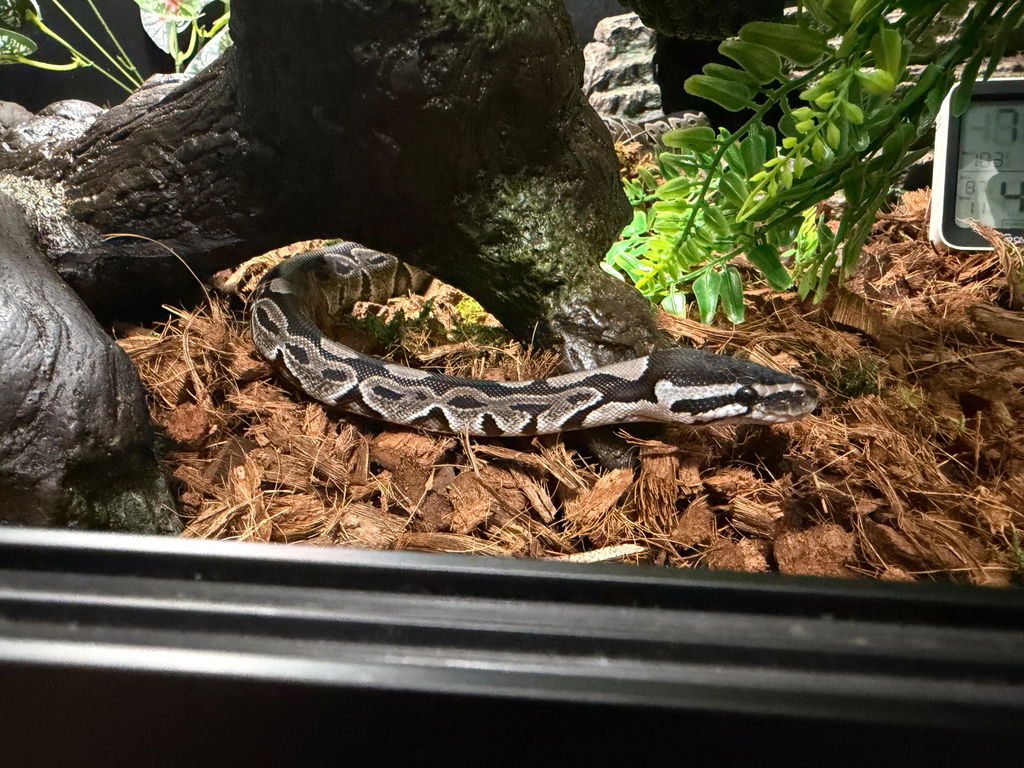
Why Quarantine Isn't Optional If You Already Own Snakes
If this is your first ball python, quarantine isn't something you need to think about yet. But if you're adding a new snake to an existing collection, whether that's your second ball python or your fifteenth, quarantine is one of the most important steps you can take to protect the animals you already have. We take biosecurity seriously in our own facility, and we'd encourage every buyer expanding a collection to take it just as seriously at home.
What Quarantine Actually Protects Against
Even a healthy-looking snake can be carrying something that isn't visually obvious yet, whether that's a respiratory infection, external parasites like mites, or something more serious like a viral pathogen with a longer incubation period. Symptoms don't always show up immediately, which is exactly why a fixed observation period matters more than a quick visual check on arrival day.
The animals we ship come from a closed, biosecure collection with no outside visitor access, which significantly reduces exposure risk before a snake ever leaves our facility. That said, transit itself introduces some stress, and stress can be enough to reveal an underlying issue that wasn't apparent before shipping. Quarantine gives you a window to catch that before it has any chance to reach your existing collection.
How Long Should Quarantine Last
Most experienced keepers quarantine new arrivals for a minimum of 60 to 90 days, and some go as long as 6 months for added peace of mind, particularly when a collection includes valuable breeding animals. We'd lean toward the longer end of that range if your existing collection includes animals you're planning to breed, since the stakes of introducing an issue into a breeding program are considerably higher than into a single pet-only collection.
Shorter quarantine periods reduce your risk somewhat but don't eliminate it, since some pathogens have incubation periods that can exceed 60 days before symptoms appear. If you're unsure which end of the range is right for your situation, longer is always the safer choice.
Setting Up a Quarantine Space
A quarantine enclosure should be fully separate from your main collection, ideally in a different room entirely, and at minimum on a completely separate rack or shelving unit with no shared airflow. The enclosure itself doesn't need to be elaborate: a simple tub or tank with proper temperature, humidity, and a hide is enough, since the goal here is observation and containment, not long-term comfort upgrades. If you're setting up a dedicated quarantine station rather than improvising with a spare tub, Rack Theory builds a Core 55-5 rack sized specifically for this purpose, giving you a standalone, independently heated setup that's fully separate from your main collection.
Dedicate separate tools to the quarantine space entirely. Separate water dishes, separate cleaning supplies, and ideally separate hide items that don't move between the quarantine enclosure and your main collection during the observation period.
Hygiene Protocol During Quarantine
Always handle and care for your quarantine animal last, after you've already tended to your existing collection for the day. Wash your hands thoroughly, and change clothes if possible, between handling the quarantine animal and any other snake in your collection. It might feel excessive for a single new snake, but this is exactly the kind of protocol that prevents a contained issue from becoming a collection-wide one.
If you handle reptiles professionally or work with other people's collections, consider quarantine protocol even more seriously, since cross-contamination risk multiplies with every additional collection you're in contact with.
What to Watch For During the Quarantine Period
Keep a simple log throughout quarantine, noting feeding response, shed cycles, stool consistency, and any respiratory signs like clicking, wheezing, or excess mucus around the mouth and nose. Also watch closely for any signs of external parasites, particularly mites, which can show up as small dark specks around the eyes or in water dishes, or as unusually frequent soaking behavior.
A snake that refuses its first meal or two after shipping isn't necessarily cause for alarm on its own, since that's a fairly common and temporary response to transit stress. But persistent refusal beyond a few weeks, especially combined with any other symptom on this list, is worth a call to a reptile veterinarian before quarantine ends.
Ending Quarantine the Right Way
Don't move a new snake into your main collection just because the calendar has passed your target quarantine length. If anything about the animal's health still seems uncertain at the end of the quarantine window, extend it rather than take the risk. A few extra weeks of caution costs you very little compared to the risk of introducing an issue into a collection you've spent years building.
Why We Take Biosecurity Seriously on Our End Too
Our facility operates under closed biosecurity protocols specifically because we understand what's at stake for buyers who are trusting us with animals that may join their own established collections. That responsibility doesn't end when a snake ships; it's part of why we're glad to answer questions about an animal's health history if anything comes up during your own quarantine process.
Quarantine and Breeding Collections
If your existing collection includes animals actively involved in a breeding program, we'd encourage treating quarantine as close to non-negotiable, with little room for shortcuts on timeline or protocol. A single overlooked health issue introduced into a breeding pair, or worse, into a female during egg production, carries consequences far beyond a single animal, potentially affecting an entire season's clutch or the long-term health of valuable founder stock. The extra weeks of a full quarantine period are a minor inconvenience compared to what's at stake in a serious breeding operation.
Common Quarantine Questions
Do I really need to quarantine a snake from a reputable breeder? Yes. Even the most carefully managed facility can't eliminate every risk introduced by the stress of shipping, and quarantine is a standard, low-cost precaution regardless of how trusted the source is. A reputable breeder shipping from a closed collection reduces your starting risk, but it doesn't replace the need for quarantine on your end.
Can I quarantine two new snakes together if they came from the same place? It's generally better to quarantine each animal separately, even if they came from the same source and shipped together. Individual animals can respond differently to the same underlying issue, and keeping them separate lets you catch a problem specific to one snake without it affecting the other during the observation window.
What if I don't have a separate room for quarantine? A separate room is ideal but not always realistic. At minimum, keep meaningful physical distance from your main collection, avoid any shared airflow path such as a shared HVAC vent directly above both setups, and be strict about hand-washing and tool separation to compensate for the lack of full room separation.
Is quarantine necessary for a snake staying in the same rack system? No, a shared rack system defeats much of the purpose of quarantine, since airflow and proximity between individual tubs can still allow certain issues to spread. A genuinely separate space is important for quarantine to do its job.
Expanding Your Collection?
Every ball python we offer comes from a closed, biosecure facility with documented health and feeding history. Browse our current selection at Ball Pythons for Sale, including our Genetic Stripe Ball Pythons and Desert Ghost Ball Pythons collections, and don't hesitate to reach out if you have questions about a specific animal's health or feeding history before it joins your collection.
For more on care basics, see our Ball Python Care Guide and our overview of Expert Insights for Ultimate Care.