What Is a Ball Python?
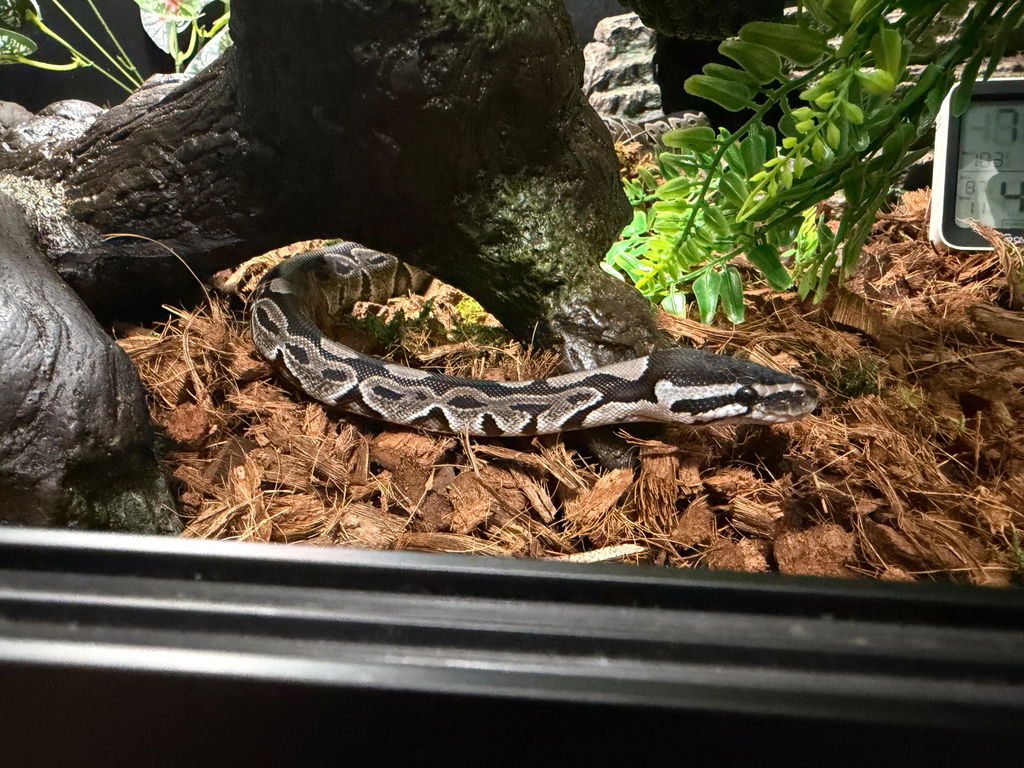
The ball python (Python regius) is a small, docile constrictor native to the grasslands and savannas of West and Central Africa. It's the most widely kept pet snake in the world, and for good reason: ball pythons are calm, manageable in size, and available in hundreds of color and pattern varieties called morphs. If you're researching your first pet snake, understanding what a ball python actually is, and isn't, will help you decide whether one belongs in your home.
Where the Name Comes From
Ball pythons get their common name from a defense behavior unique among pythons: when stressed, they curl into a tight ball with their head tucked safely in the center of their coils. This is a passive, non-aggressive response. A snake that balls up isn't preparing to strike, it's protecting itself, which tells you a lot about the species' overall temperament. In the United Kingdom and much of Europe, the same species is called the "royal python," a name tied to African folklore about royalty wearing them as living jewelry.
Size and Lifespan
Ball pythons are one of the more modestly sized python species. Females, which grow larger than males, typically reach 4 to 5 feet as adults, with some individuals pushing 6 feet. Males are noticeably smaller, often maxing out between 2.5 and 3.5 feet. This is a snake that will comfortably live in a standard adult enclosure without requiring the dedicated room some larger constrictors need.
Properly cared for, a ball python is a genuine long-term commitment. In captivity, they regularly live 20 to 30 years, with some individuals documented well beyond that. When you buy a ball python, you're not buying a pet for a season, you're taking on an animal that may outlive other commitments in your life. That's not a reason to avoid one, but it is something every first-time buyer should go in knowing.
Temperament: Why Ball Pythons Are the Beginner Standard
Of all commonly kept snake species, ball pythons are consistently ranked among the calmest and most handleable. They're not fast, they're not defensive by nature, and they rarely bite without significant provocation. Most captive-bred ball pythons, especially those that have been handled regularly from a young age, tolerate and often seem to enjoy being held.
This isn't universal. Individual personality varies, and a stressed or underweight animal can behave differently than a healthy, well-adjusted one. This is one of the many reasons buying from a breeder who handles animals regularly and can speak honestly about a specific snake's temperament matters more than buying blind from a source that can't tell you anything about the individual animal you're getting.
Diet in the Wild vs. in Captivity
In their native range, ball pythons are ambush predators that feed primarily on small mammals, rodents in particular. In captivity, that translates to a diet of frozen-thawed rats, sized appropriately to the snake's girth. Ball pythons are not picky eaters by nature, though they are known for occasionally going through periods of reduced appetite, especially during seasonal shifts or breeding season. This is normal species behavior, not necessarily a sign of illness, though it can be alarming to new owners who aren't expecting it.
Morphs: Why the Same Species Looks So Different
If you've browsed ball pythons for sale online, you've likely noticed enormous visual variety, from the classic brown and tan "normal" pattern to jet black animals, ghostly pale patternless snakes, and everything in between. All of these are the same species, Python regius, expressing different genetic mutations that affect color and pattern. These mutations are called morphs, and they're the product of decades of selective breeding within the reptile hobby.
Some morphs are simple recessive traits, some are dominant, and some are the result of stacking multiple genes together into a single animal. Understanding morph genetics isn't required to own a ball python, but it does explain why prices vary so dramatically between individual snakes, from budget-friendly single-gene animals to rare, high-dollar combinations.
Are Ball Pythons Venomous or Dangerous?
No. Ball pythons are constrictors, not venomous snakes. They have no venom glands and pose no venom-related risk to humans or pets. Their method of subduing prey is physical constriction, and even that response is reserved for feeding, not defense. A ball python is not going to view a human hand as prey under normal circumstances. The rare bites that do occur are almost always the result of mishandling, feeding-response confusion, or genuine fear, not predatory aggression.
What It Takes to Keep One
Ball pythons need a secure enclosure, a temperature gradient with a warm side and cool side, humidity in the 60 to 80 percent range, appropriately sized prey on a regular feeding schedule, and fresh water. None of this is complicated once you understand it, but it does require actual setup before the animal arrives, not after. We always recommend having your enclosure fully set up and holding stable temperatures and humidity for at least a few days before your snake ships.
Why Buy From a Breeder
Not every ball python for sale comes from the same kind of source. Wild-caught and imported animals carry higher stress levels, parasite loads, and feeding inconsistency compared to captive-bred snakes that have never known anything but a controlled environment. At Ghost Constrictors, every ball python we offer is captive-bred at our South Georgia facility, hatched, raised, and established on frozen-thawed prey before it's ever listed for sale. We know each animal's lineage, feeding history, and temperament because we're the ones who raised it.
Common Misconceptions About Ball Pythons
A few myths tend to follow this species around, and it's worth clearing them up before you buy. First, size: ball pythons are frequently confused with much larger python species in casual conversation, leading new buyers to assume they'll need a massive enclosure and years of experience to manage one safely. In reality, a full-grown ball python is easier to house and handle than many popular lizard species.
Second, escape risk: while any snake can escape an improperly secured enclosure, ball pythons are not especially prone to escape attempts compared to more active, exploratory species. A properly latched enclosure with no gaps is generally sufficient.
Third, cost: people often assume all ball pythons are expensive because certain rare morphs sell for thousands of dollars. In practice, normal and common single-gene morphs are among the most affordable pet snakes available, and the wide price range means there's an entry point for nearly any budget.
Is a Ball Python Right for You?
A ball python tends to be a good fit for people who want a calm, low-maintenance reptile that doesn't require daily interaction to thrive, who have the patience to research proper husbandry before bringing one home, and who understand they're committing to a multi-decade relationship with the animal. They tend to be a poor fit for households looking for a highly interactive pet that seeks out attention the way a dog or cat might, since snakes are fundamentally more self-contained animals.
If that description sounds like you, a ball python is genuinely one of the best reptile pets available, which is exactly why it remains the most popular pet snake species in the country year after year.
Ready to Find Your Ball Python?
If you're ready to move from research to ownership, browse our current selection of ball pythons for sale online. Every animal ships with FedEx overnight delivery and a live arrival guarantee, and we're always available to help you pick the right snake for your experience level and budget.