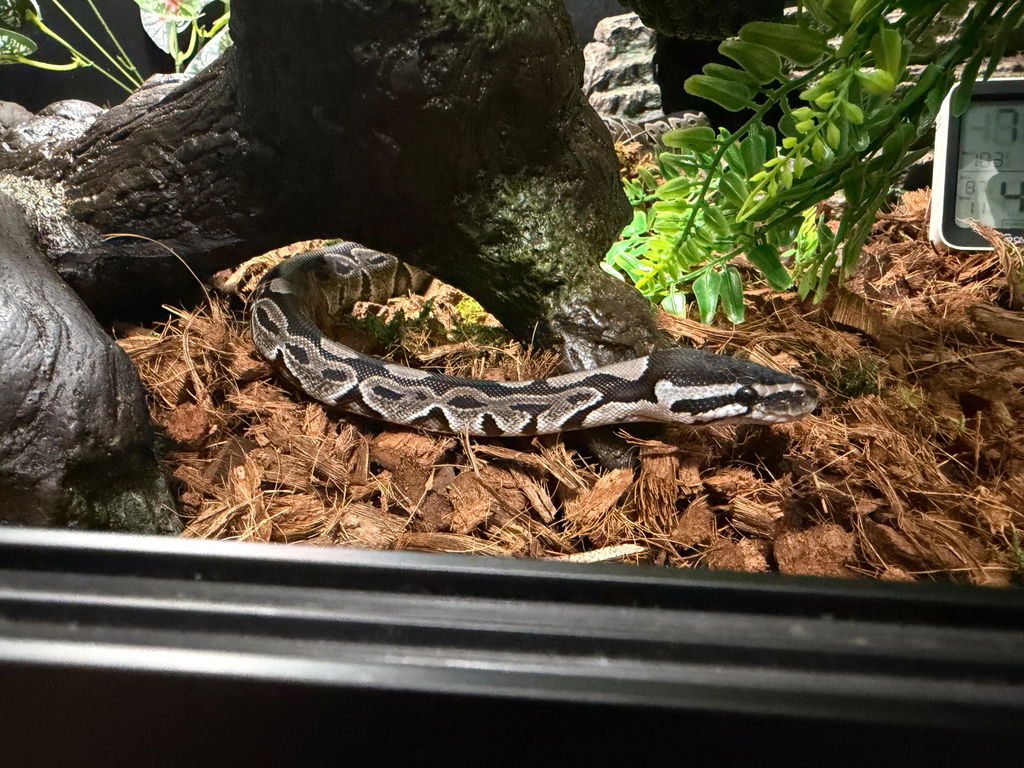
A ball python that won't eat is the most common concern we hear from new keepers. It's also the concern most likely to be a non-issue — because ball pythons are one of the most notorious fasters in the reptile hobby, and a healthy animal can go months without food without any health consequences.
That said, there are real feeding problems that need real intervention. Here's how to tell the difference and what to do in either case.
First: Is This Actually a Problem?
Before troubleshooting, answer these questions:
How long has the snake gone without eating? An adult ball python refusing food for 4–6 weeks during October through February is almost certainly going through a seasonal fast driven by breeding instinct. This is normal, expected, and requires no intervention.
When did it last eat before the refusal? A snake that ate consistently for months and suddenly stopped is less concerning than one that's never established a reliable feeding response.
Is the snake otherwise healthy? Active when disturbed, good body condition, clear eyes, no respiratory symptoms? Then a feeding refusal is probably behavioral, not medical.
The Most Common Reasons Ball Pythons Stop Eating
1. Seasonal Fasting (October–February)
This is the single most common reason for feeding refusals in ball pythons and it affects even experienced breeders' collections every year. As day length shortens and temperatures drop in the fall, ball pythons sense the seasonal shift and go into a breeding fast — males especially, but females too.
What to do: Keep offering food every 10–14 days. Don't force feed. Maintain correct temperatures and humidity. Wait it out. Most animals resume eating by February or March.
2. Shed Cycle
A ball python in pre-shed will almost always refuse food. The eyes go cloudy or blue, the belly may look pink, and the feeding response shuts down. This is normal.
What to do: Wait until the shed is complete and give the animal 3–5 days to settle after shedding before offering food again.
3. Temperature Problems
This is the most common husbandry-related cause of feeding refusal. A ball python that can't reach a proper warm side surface temperature (88–92°F) won't eat — even if it looks healthy and behaves normally.
What to do: Pull out your temperature gun and verify the warm side surface temperature. Not the thermostat reading — the actual floor temperature above your heat source. If it's below 85°F, that's likely your problem.
4. Stress
New enclosures, excessive handling, recent transport, a move, or changes to the environment can all suppress the feeding response. Ball pythons need to feel secure before they'll eat.
What to do: Leave the animal alone. For a newly purchased snake, wait a full 7 days before offering food and avoid handling entirely during that period. Cover three sides of the enclosure with a towel or paper if the snake seems restless or is constantly trying to escape.
5. Enclosure Too Large or Insecure
A ball python in an enclosure with too much open space feels exposed and stressed. Exposed snakes don't eat.
What to do: Ensure two adequate hides — one on the warm side, one on the cool side — sized so the snake fits snugly. Consider downsizing the enclosure temporarily if the animal is a hatchling or juvenile in a large tank.
6. Prey Size or Type
Sometimes the issue is the feeder itself. A prey item that's too small won't trigger a feeding response in some animals. A prey item that's too large can be refused or cause a regurgitation.
What to do: Verify feeder size against the girth rule (feeder should be roughly the same width as the widest part of the snake). Try a different prey type — if the snake has been on mice, offer a small rat. Novelty sometimes resets a finicky feeder.
7. Feeding Location or Method
Ball pythons should be fed in their enclosure, not in a separate feeding container. Moving the snake before feeding adds stress. Feeding in the enclosure where the animal already feels secure produces better results.
What to do: Offer food inside the enclosure, at dusk or after lights out, with minimal disturbance. Use tongs to present the prey item and move it slightly to simulate movement.
When to Actually Worry
Most feeding refusals don't require a vet visit. But these situations do:
-
Significant weight loss (visible spinal ridges appearing on an animal that was previously in good condition)
-
Regurgitation of food that was initially accepted
-
Any respiratory symptoms — wheezing, mucus, labored breathing
-
Refusal to eat accompanied by lethargy, inverted posture, or neurological signs
-
A hatchling that has never eaten after 8–10 offering attempts
In these cases, a reptile-experienced vet is the right next step.
Our Feeding Protocol at Ghost Constrictors
Every animal we sell is feeding on frozen/thawed prey before it ships. We confirm a recent feeding before any animal goes out the door. If your Ghost Constrictors animal stops eating after arrival, the most likely cause is transport stress — give it 7–10 days and try again before contacting us.
Browse Ball Pythons for Sale → Ball Python Feeder Size Calculator →
For more on care basics, see our Ball Python Care Guide, our How to Tell If a Ball Python Is Healthy guide, and our Weight & Growth Chart.