The spotnose ball python has quietly become one of the most sought-after genes in the hobby, and for good reason. With its distinctive head stamp, clean pattern modifications, and unmatched ability to elevate multi-gene designer combos, the spotnose gene belongs in every serious breeding collection — and it makes a striking display animal for pet keepers too. At Ghost Constrictors, spotnose ball pythons are central to our breeding program, and after working with this gene for years, we're constantly impressed by what it produces. This guide covers everything from genetics and visual identification to the best combo pairings, current pricing, and care essentials.
What makes a spotnose ball python stand out
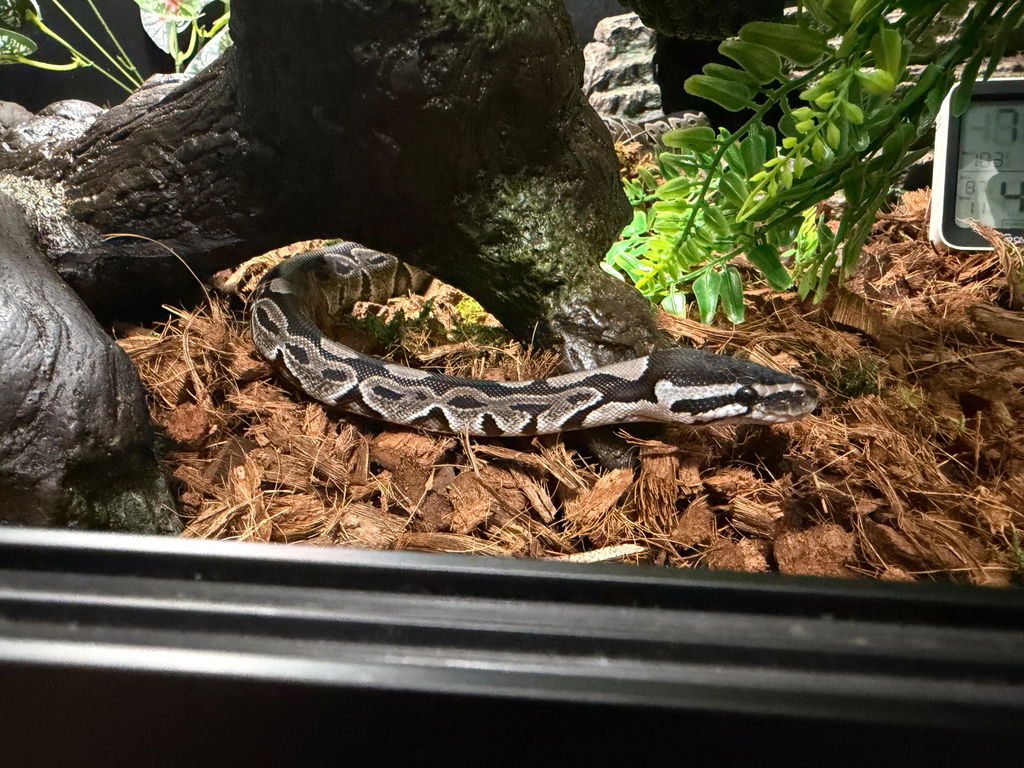
The hallmark of a spotnose ball python is the head stamp — a bold, distinctive pattern on top of the head that breeders often describe as a "skull" or "crown." In well-expressed animals, this head stamp is sharply defined and immediately recognizable. Beyond the head, spotnoses display circular, well-defined "alien head" markings along the body that tend to carry a single spot or dot within each, which is where the "spotnose" name originated.
The dorsal pattern often shows a clean, serrated stripe running down the tail, and overall the dark and light areas tend to be higher contrast than a normal ball python. The specific expression varies from animal to animal — some spotnoses are subtle, others are dramatic — but that head stamp is the consistent identifier experienced breeders look for.
One important note: when spotnose is paired with pastel or other brightening genes, the head stamp can fade or become harder to see. This is something breeders learn to account for when identifying multi-gene animals. If you're buying a spotnose combo, work with a breeder who knows the parents and can verify the genetics rather than relying purely on visual identification.
Spotnose genetics and the Powerball super form
Spotnose is an incomplete dominant (co-dominant) mutation, meaning a single copy of the gene produces a visible spotnose phenotype, and two copies produce a super form known as the Powerball. The gene was first produced in captivity by Dave and Tracy Barker at VPI (Vida Preciosa International) around 2001, with the co-dominant inheritance pattern confirmed by 2005.
The Powerball super form is a dramatically different-looking animal — highly reduced pattern, intense head stamp, and overall a much more extreme version of the single-gene spotnose. Powerball animals are uncommon and command premium prices, but they're also controversial in some circles. Super spotnose and certain spotnose combinations — particularly spotnose champagne and spotnose spider — have been associated with the neurological "wobble" condition. The severity varies, and not every animal is affected, but it's something buyers and breeders should be aware of.
At Ghost Constrictors, we're transparent about which of our animals carry genes that may interact with wobble, and we're happy to discuss specific pairings with anyone considering a breeding project.
The best spotnose combos for breeding projects
Where spotnose truly shines is in combination with other morphs. This gene is a key ingredient in some of the most valuable and visually stunning designer ball pythons produced today.
Spotnose Clown is a combination that has taken the hobby by storm. The clown gene's aberrant patterning paired with spotnose's clean modifications produces animals with intense color and dramatic, flowing patterns. Add pastel into the mix and you get the combination known as Batman — one of the most recognized designer combos in the ball python world, with high-quality specimens commanding thousands of dollars.
Spotnose Desert Ghost is another powerhouse pairing. The desert ghost gene brings a unique color palette that ages beautifully, and spotnose amplifies the contrast and pattern clarity. Combine both with clown and you enter Pompeii territory — an ultra-premium combination that represents the intersection of several years' worth of carefully planned breeding.
Spotnose Genetic Stripe combinations produce clean, flowing dorsal stripes with enhanced contrast and color. The genetic stripe gene eliminates the alien head pattern entirely, and when spotnose's modifications layer on top, the result is a streamlined, visually striking animal that stands apart from either parent gene alone.
Other excellent spotnose combos include spotnose yellowbelly (enhanced pattern and color with the subtle yellowbelly influence), spotnose enchi (rich oranges and increased pattern contrast), and spotnose pastel (brighter overall with a softer, lighter palette). The versatility of spotnose is what makes it such a valuable building block — it improves virtually every combination it enters.
How spotnose transforms other morphs visually
What makes spotnose so popular among breeders isn't just how it looks on its own — it's how it changes the expression of other genes it's paired with. Spotnose tends to clean up pattern, increase contrast between light and dark areas, and sharpen the boundaries of markings. In many combinations, it adds a refinement that makes the finished animal look more polished and deliberate.
This effect is particularly visible in recessive gene projects. Recessive morphs like clown, piebald, and desert ghost can look wildly different depending on what co-dominant or dominant genes are layered on top. Spotnose consistently pushes these combinations in a cleaner, higher-contrast direction. That's why you see so many serious breeding programs building toward multi-gene animals with spotnose as a core component.
For keepers who aren't interested in breeding, single-gene spotnose ball pythons are still beautiful display animals with more visual interest than a normal and a story behind the genetics that makes them interesting to talk about.
Spotnose ball python prices and what drives value
Single-gene spotnose ball pythons are surprisingly accessible. Expect to pay $150–$300 for a well-started hatchling from a reputable breeder, making this one of the most affordable co-dominant genes relative to its breeding value. The spotnose gene has been established long enough that supply is strong, which keeps base prices reasonable.
Where prices climb is in multi-gene combinations. A spotnose clown typically sells for $500–$1,500 depending on additional genes and visual quality. Animals carrying multiple hets — for example, a spotnose het clown het desert ghost — are priced based on their breeding potential rather than just their appearance, often in the $400–$1,000 range. Top-tier combinations like spotnose desert ghost clown or Batman-complex animals can reach $2,500–$8,500+ for exceptional specimens.
The factors that drive spotnose pricing include the number of additional genes in the combo, the sex of the animal (breeding females command higher prices), the specific visual expression (a sharp head stamp and clean pattern increase value), and the proven versus unproven status of any het genes the animal carries. Proven hets — where the breeder has hatched offspring confirming the het status — are worth more than 66% or 50% possible hets.
In our spotnose collection, we carry everything from affordable single-gene spotnose animals for new keepers to multi-gene project animals for experienced breeders building toward Batman, Pompeii, and other designer goals.
Caring for your spotnose ball python
Spotnose ball pythons have the same care requirements as any other ball python morph. They need an enclosure with a warm side of 88–92°F and a cool side of 76–80°F, ambient humidity of 60–80%, a moisture-retaining substrate, at least two snug hides, and a clean water bowl large enough to soak in. Feed appropriately sized frozen-thawed rats on a regular schedule — every 7 days for growing juveniles, every 10–14 days for adults.
The spotnose gene does not affect appetite, temperament, or lifespan. These are hardy, easy-to-keep animals that do well for beginners and experienced keepers alike. As with any ball python, buy from a breeder who can tell you the animal's hatch date, parentage, and feeding history.
Whether you're starting your first ball python collection or adding spotnose genetics to an established breeding program, Ghost Constrictors has spotnose ball pythons at every price point and genetic combination. We breed these animals in our South Georgia facility, raise them on frozen-thawed feeders, and ship them free overnight to your door. Browse our full ball python collection to find your next snake — and don't hesitate to reach out if you want help planning a breeding project around the spotnose gene.
Curious about other morphs? Check out our Complete Ball Python Morph Guide, our Desert Ghost Ball Python guide, and our Genetic Stripe Ball Python breakdown.