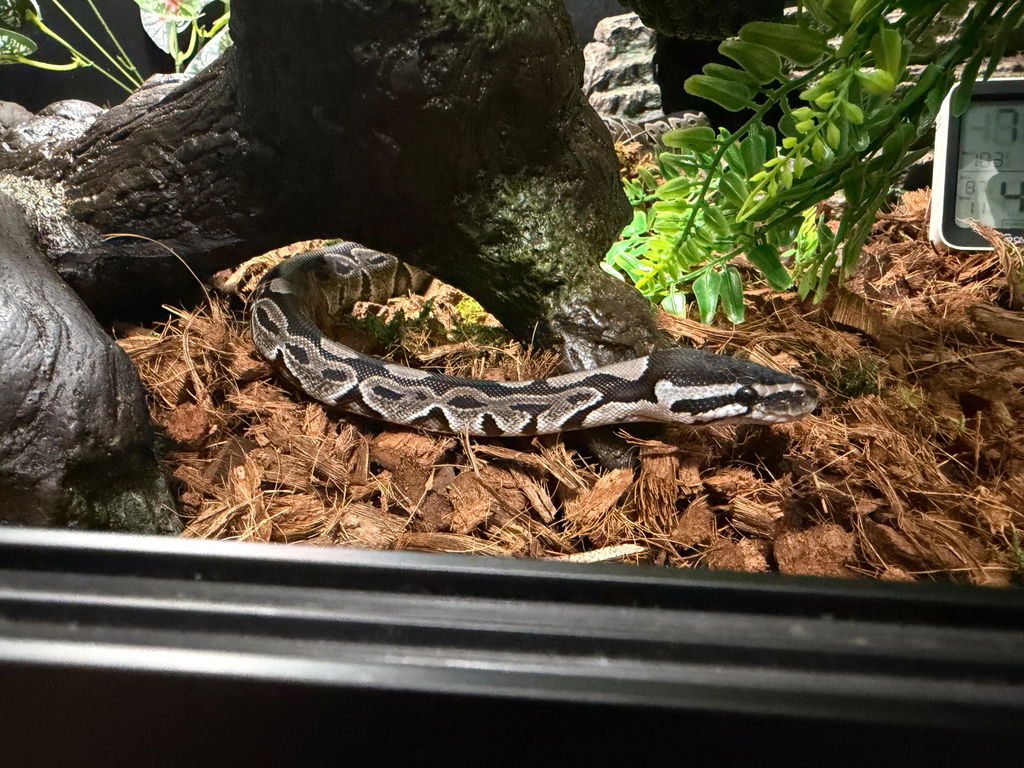
The number one concern first-time buyers have about purchasing a ball python online is simple: what if something goes wrong?
It's a fair question. You're buying a living animal. You're trusting a seller you've never met to pack it safely, ship it overnight, and deliver it to your door in good health. That requires trust, and trust requires evidence.
This post is about how to find that evidence — what separates a reputable online reptile breeder from one you should avoid, and what safeguards to insist on before you hand over your money.
The Short Answer: Yes, It's Safe — With the Right Seller
Buying a ball python online is done thousands of times a week across the country. It's the primary way serious collectors and hobbyists acquire animals because reputable online breeders offer something pet stores fundamentally cannot: known genetics, documented feeding history, and direct accountability.
The risk isn't in buying online. The risk is in buying from the wrong seller. Once you know how to tell the difference, the process becomes straightforward.
What a Reputable Online Ball Python Breeder Looks Like
1. A Live Arrival Guarantee — In Writing
This is non-negotiable. Any seller who won't put a live arrival guarantee on their animals in writing is a seller you should walk away from. Period.
A live arrival guarantee means that if the animal does not arrive alive due to shipping, the seller will replace the animal or refund your purchase. This is the baseline standard in the reptile industry for any legitimate operation.
At Ghost Constrictors, every animal we ship is covered. If something goes wrong in transit — which is rare, but can happen — we make it right.
2. Overnight Shipping Only
Ball pythons should only be shipped via overnight service — FedEx overnight is the industry standard. If a seller is offering ground shipping for a live animal, that's a red flag. A snake in a box for three days is an animal under serious stress.
Overnight shipping is more expensive for the seller to offer, which is part of why disreputable sellers try to cut that corner. Reputable sellers absorb that cost or charge it transparently.
3. Documented Feeding History
You should be able to ask any seller: "How many times has this animal eaten? What was it fed? When did it last eat?" and get a real answer.
If the response is vague, if they "think" it's been eating but aren't sure, or if they can't tell you the feeding history of a specific animal — that's a problem. Animals sold at reptile expos sometimes have this issue too. You're buying a specific animal from a specific clutch and you deserve to know its history.
We hatch every animal we sell. We log every feeding. We know the exact genetic background of every snake on our site because we paired the parents ourselves.
4. Real Reviews — Volume and Recency
This is the most important vetting tool available to you. There's no licensing requirement for reptile breeders. No government oversight. The accountability is entirely peer-reviewed through customer feedback.
What you want to see:
-
Volume: A breeder with 10 reviews has had 10 public transactions. A breeder with 200+ has a real track record.
-
Recency: Reviews from three years ago tell you less than reviews from last month. Active sellers with recent reviews give you current information.
-
Detail: Look for reviews that mention the animal's condition on arrival, the packaging quality, the seller's communication, and the post-sale experience. Generic reviews can be gamed; detailed ones are harder to fake
-
How problems are handled: Look for reviews that mention an issue and explain how it was resolved. A seller who handles problems professionally is one you can trust.
Ghost Constrictors has 227 five-star reviews built over more than a decade of operation. We'd encourage you to read them — not to sell you, but because our customers' experiences are the most honest description of what buying from us is like.
5. Temperature-Based Shipping Holds
A responsible seller won't ship into dangerous weather conditions. If it's 15°F at your destination, your animal shouldn't be on a truck. If it's 105°F with no shade, same answer.
This sometimes means a short delay in your order. That's not a seller being difficult — that's a seller who actually cares whether the animal arrives alive. We hold shipments whenever conditions fall outside safe ranges. We communicate those holds proactively.
6. Clear Contact Information and Pre-Sale Responsiveness
Email or message a seller before you buy. Ask a question about the specific animal you're interested in. Notice how fast they respond and how thorough the answer is.
A seller who takes a week to respond before the sale will take longer after it. A seller who gives you a short, dismissive answer to a legitimate question isn't someone you want to deal with if there's a problem.
We respond to inquiries quickly because we understand that buying a live animal from someone you've never met requires communication and confidence.
Red Flags to Watch For
No live arrival guarantee. Walk away.
Ground or economy shipping options for live animals. Walk away.
No reviews, very few reviews, or only very old reviews. Proceed with extreme caution.
Prices that seem too good to be true. A $50 Pied ball python doesn't exist from a legitimate source. If you see a morph priced 70% below market, ask yourself why.
Unable to tell you the feeding history of a specific animal. This means they're selling animals they don't know — wholesale, collected, or simply untested.
Pressure tactics. "This animal is going fast, you need to put a deposit down today." A reputable breeder wants you to feel confident in your purchase. Pressure is not a sign of confidence.
Photos that don't match the animal described. Ask for current photos if the listing photos look dated. A trustworthy seller will send them without hesitation.
What to Do After Your Animal Arrives
When your ball python arrives, here's the standard protocol:
-
Open the box promptly. Don't leave your snake in the box longer than necessary.
-
Inspect the animal. Is it alert? Is it moving normally? Is the packaging in good shape?
-
Document anything unusual immediately. If there's a problem, photograph it and contact the seller the same day. Live arrival guarantees typically have a same-day contact requirement.
-
Give the snake 5–7 days to settle. Don't handle it immediately. Let it explore its new enclosure, find its hides, and decompress from the transit stress.
-
First feeding attempt at 7 days. Offer a properly sized frozen/thawed feeder. Most healthy animals will eat within the first or second offer after a week of settling.
Our Track Record
Ghost Constrictors has been shipping ball pythons since 2016. We're a family-run operation based in Homerville, Georgia. We hatch every animal we sell, we feed every animal ourselves, and we stand behind every shipment with a live arrival guarantee.
Our 227 five-star reviews aren't the result of a marketing campaign. They're the result of doing this consistently, transparently, and with genuine care for the animals and the people who receive them.
Browse Available Ball Pythons →
If you have questions before you buy — about a specific animal, about our shipping process, about how we handle a particular morph — reach out. We're real people and we're happy to talk through it with you.
For more on buying with confidence, see our Ball Python for Sale Online page, our breakdown of How Much Does a Ball Python Cost, and our comparison of Ball Python vs. Corn Snake.